Erin Davis Daughter: Remembering Lauren Davis
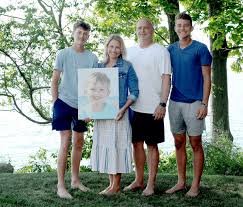
Erin Davis reflected on her daughter Lauren's wedding anniversary in a June 22, 2026 journal entry, revisiting a family celebration that remains deeply important after Lauren's death. There is no need to invent a new tragedy or announcement to explain why the Canadian broadcaster continues writing about her daughter.
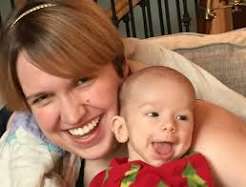
Lauren Davis was Erin Davis and Rob Whitehead's only child. She died in May 2015 at the age of 24, leaving a young family and a lasting influence on her mother's later writing about grief.
Who was Erin Davis's daughter?
Lauren was the daughter of Canadian radio personality Erin Davis, widely known for her years on Toronto's CHFI morning show. This profile concerns that Erin Davis, rather than another person who shares the name.
Lauren also worked in broadcasting, developing a professional identity of her own. Reports of her death described her connection to Ottawa radio, including work with CFRA.
She married Phil Shirakawa and became the mother of Colin. Those family relationships are central to understanding the loss, rather than treating her solely as the child of a recognizable broadcaster.
Lauren’s broadcasting work is an important part of remembering her as an individual. Her mother’s long radio career made the family familiar to listeners, but Lauren also developed her own professional connection with the medium. That gives the story a continuity across generations without making their experiences identical. Erin’s prominence helped bring public attention to the loss, while Lauren’s roles as a broadcaster, wife and mother describe the life that preceded it. A complete remembrance needs those relationships and interests, rather than treating the date of her death as the only event worth recording about her life.
Erin's own recollections describe Lauren through family occasions, personality and memories. They give a more human account than a summary limited to the circumstances of her death.
What happened to Lauren Davis?
Lauren died on May 11, 2015, after celebrating her first Mother's Day. She was 24 and on maternity leave at the time.
The public account describes her dying in her sleep. A more detailed medical explanation should not be supplied unless it is supported by a clear statement from the family or dependable reporting.
Her death affected listeners who had followed Erin's career and heard her share family moments over the years. However, the wider public response did not make the family's private grief a continuous news event.
The wedding anniversary reflection supplies a particular memory within that larger history. Looking back at a celebration can bring the hopes of the original occasion into contact with everything that happened afterward. Erin’s writing about Jackson’s Point therefore concerns more than an anniversary date. It recalls a family gathering and a period when Lauren and Phil were beginning married life. The later loss changes how the memory is experienced, but it does not remove the happiness of the event itself. That combination of joy and grief is part of what makes an anniversary reflection different from a new report about the circumstances of a death.
Erin eventually left her regular morning-radio role in December 2016. Her official podcast biography places that decision approximately 18 months after losing Lauren, connecting the professional change to a period of profound personal adjustment.
How has Erin remembered her daughter?
Erin's memoir, Mourning Has Broken: Love, Loss & Reclaiming Joy, was published in 2019. The book reflects on bereavement while also considering how life can continue after an overwhelming loss.
Her online journals remain another place where Lauren's memory appears. In the June 2026 wedding-anniversary reflection, Erin recalled the celebration at Jackson's Point and the hopes surrounding her daughter's marriage.
That writing does not suggest grief has a fixed end date. It shows how anniversaries can bring joy and sadness into the same memory, particularly when a family continues to mark occasions connected with someone who has died.
Erin has also continued broadcasting through podcast work. Her later career and public writing demonstrate that remembering Lauren is part of an ongoing life, rather than the only subject she addresses.
Erin’s memoir and later broadcasting show another stage in the story. Publishing a book about bereavement made personal experience available to readers, while continuing with podcast work demonstrated that her professional life also moved into a different form. Neither activity means that grief had ended or that every subsequent project was about Lauren. A parent can remember a child while continuing to work, form new routines and find moments of pleasure. The title of the memoir reflects that broader consideration of loss and renewed joy. For readers encountering the family through a recent journal entry, the relevant chronology is a life remembered, a death in 2015 and years of later writing, rather than an invented suggestion that a fresh tragedy has just occurred.
For readers searching for Erin Davis's daughter, Lauren is remembered as a broadcaster, wife, mother and deeply loved only child. Her mother's own accounts provide the strongest foundation for describing that legacy with care and without speculation about details the family have not confirmed.