Marcus Freeman Family: His Wife, Children and Parents
Marcus Freeman's recent comments about Joanna's reaction to his fourth-down decisions have offered another glimpse of his family during Notre Dame's 2026 season. The discussion highlighted how closely his public coaching career and private support network can overlap.
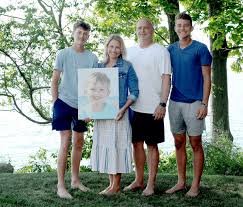
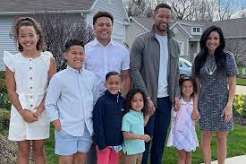
Freeman is married to Joanna and has seven children in his wider family, according to recent family reporting. Six are children he shares with Joanna, while his older daughter Bria is from a previous relationship.
Who are Marcus Freeman's wife and children?
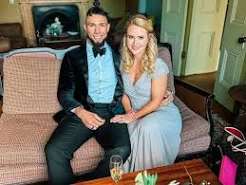
Marcus and Joanna Freeman married in February 2010, after meeting at Ohio State. Their relationship began while he was still developing his own playing career, long before he took charge at Notre Dame.
They share Vinny, Siena, Gino, Nico, Capri and Rocco. These six names appear in official university material, explaining why some biographies describe the household in those terms.
Bria is Marcus's older daughter, identified separately in more recent family profiles. An article can therefore accurately mention six children with Joanna and seven children overall, provided it makes the distinction clear.
The family’s military connection belongs to Marcus’s upbringing, while the coaching story belongs to his later adult life. Michael’s service and Chong’s Korean background are part of the context in which Marcus grew up. They should not be reduced to a single label or used to assume that every part of his identity came from one parent alone. The public family history includes both parents and the experiences associated with them. That background gives a broader picture of the coach than a profile beginning only with his college playing career or his appointment to a prominent head-coaching role.
The numbers should not be treated as competing claims or combined into an incorrect total. They describe different parts of the same family history.
Who are his parents?
Freeman's parents are Michael and Chong Freeman. Family profiles describe his father's military service and his mother's Korean background, which have been important parts of public discussion of his heritage.
Marcus grew up in Ohio and later played football at Ohio State. His family background and education developed before the coaching career that would make him a national figure.
His position has attracted attention not only for football results but also for representation. When he led Notre Dame to the national championship game following the 2024 season, coverage discussed his Black and Korean heritage alongside his sporting achievements.
Joanna and the children represent another generation within the same story. Marcus and Joanna’s college connection developed before their 2010 marriage, and their six shared children arrived as his football career moved through different stages. Bria’s inclusion explains the broader total of seven children. The distinction is a matter of describing relationships accurately, rather than suggesting that one part of the family is more important than another. A university biography may use a shorter household summary, while a longer profile can account for the blended family. Readers need that context when encountering different totals in otherwise dependable coverage of the same person.
Those details should be described as his individual family history rather than used to make assumptions about relatives' beliefs, private experiences or cultural practices.
How does the family fit into his coaching life?
Freeman has publicly discussed wanting his children to feel connected to his work. The goal he has described is to bring family and football together, rather than allowing the job to exist entirely apart from home.
That approach has developed through several coaching positions. Before leading Notre Dame, he worked at other college programmes, meaning his family experienced moves and changing responsibilities along the way.
Joanna's contribution is a recurring subject when he talks about managing those demands. His affectionate descriptions acknowledge the support behind a highly visible role without providing a complete account of the household's private arrangements.
The children's appearances at sporting events show a family connection, but they should not be used to assign each child a future athletic career. Their father's work creates opportunities for public photographs without deciding their individual paths.
Marcus’s comments about blending football and family also have a practical setting. Coaching involves responsibility for people beyond a single household, while parenthood brings commitments that continue regardless of a team’s record. His interviews show that he thinks about those roles together. They do not establish precisely how Joanna, the children and extended relatives divide their time or respond to every career decision. The family’s appearances at games provide selected public moments within that larger experience. Understanding the relationships across generations therefore gives those images more meaning: parents who shaped his upbringing, a longstanding wife, children with their own lives and a coaching career that has developed around them. That context remains useful beyond the immediate result or headline that prompts a new search for his family.
The Freeman family story is therefore broader than a coach, a wife and a list of names. It includes a long relationship, a blended family, military and Korean family roots, and years spent moving through college football. Those documented connections help explain the support network behind his public career.