British Royal Family: Who Is Who in the Modern Monarchy?
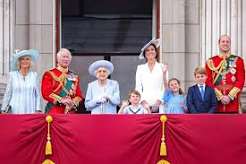
King Charles III and Queen Camilla joined senior members of the British royal family at the Festival of Remembrance on November 7, 2026. The Royal Albert Hall gathering placed the monarchy's ceremonial role in focus ahead of the National Service of Remembrance at the Cenotaph.
The appearance also brought several generations and branches of the family into the same public setting. Family membership, a place in the succession and the performance of official duties are related but different things, which helps explain why not every royal appears at every engagement.
Who leads the British royal family?
King Charles III is the monarch, and Queen Camilla is his wife. Charles became king following the death of Queen Elizabeth II in September 2022.
The monarch's role includes constitutional responsibilities as well as public and ceremonial duties. Royal visits, charitable patronages and national commemorations form part of that visible work.
The official royal website publishes a diary of forthcoming engagements and a Court Circular recording past events. Those sources are useful for distinguishing a confirmed appearance from speculation about who may attend.
The distinction between family and institution is especially useful during national ceremonies. A royal relative may attend because of an official position, a connection to the armed forces or a place within the wider family gathering. Those reasons are related but not identical. The Festival of Remembrance is organized around commemoration, and its meaning extends beyond the personal relationships among the people seated in the royal box. Understanding the event’s purpose helps explain the family’s visible role without treating attendance as a ranking of affection, influence or closeness to the monarch within the private household.
The Remembrance programme is a particularly prominent example. It connects the royal household with veterans, serving personnel and communities commemorating those who died in conflict.
Where do William, Catherine and their children fit?
Prince William, the Prince of Wales, is the heir to the throne. His wife is Catherine, the Princess of Wales, and they have three children: Prince George, Princess Charlotte and Prince Louis.
George was born in July 2013, Charlotte in May 2015 and Louis in April 2018. Their places in the succession follow their father, although they remain children with limited public schedules.
The family appear together for selected national occasions, not as a continuously public household. A child's absence from a particular engagement should not be treated as evidence of illness, a disagreement or a major change in royal arrangements.
Succession provides a separate framework. William’s position as heir and the places of George, Charlotte and Louis concern the order in which the crown passes, rather than their current workload. A child can occupy a high position in that order while carrying out very few public appearances. An adult working royal can undertake many engagements without being near the front of the succession. These differences are why a simple list of titles cannot fully explain the modern monarchy. Family relationships, constitutional position and the duties undertaken on behalf of the sovereign each answer a different question about the same group of people.
William and Catherine's official work is distinct from the children's family role. Being in the succession does not mean the children currently carry out the same duties as senior adult royals.
Which other relatives carry out public duties?
The working royal family includes Princess Anne, the King's sister, as well as Prince Edward and Sophie, the Duke and Duchess of Edinburgh. The Duke and Duchess of Gloucester also undertake engagements.
Their duties cover a range of organizations, communities and causes. The official diary in early November included remembrance events, community visits and religious or charitable engagements, illustrating the breadth of that work.
Prince Harry and Meghan, the Duke and Duchess of Sussex, remain members of the wider family, but stepped back from their roles as working royals in 2020. They have two children, Prince Archie and Princess Lilibet.
Their family relationship should not be confused with their current official duties. Similarly, the succession is a constitutional sequence, rather than a ranking of how often relatives appear in newspapers.
Harry and Meghan’s circumstances offer another example of those distinctions. Stepping back from working roles changed their official responsibilities, while their family relationships and parenthood remained separate facts. Archie and Lilibet belong to the wider royal family even though their daily lives do not follow the same public pattern as the Wales children. The official engagement diary is therefore a record of scheduled duties, not a complete family calendar. Similarly, the Court Circular records work rather than every personal visit. The November commemoration can be understood most clearly through that institutional context, alongside the family tree that explains how the individuals are related. Keeping both perspectives allows a current royal profile to describe a national role without turning every attendance decision into speculation about private relationships.
The November remembrance events show the family acting in a national ceremonial capacity. Understanding the household through its separate relationships, roles and generations gives a clearer picture than treating every person with a royal title as having the same public responsibilities.